Friday, 31 October 2025

Parrot’s Beak (Lotus berthelotii) – The Fiery Jewel of the Canary Islands Parrot’s Beak (Lotus berthelotii) is one of nature’s most striking creations — a trailing plant adorned with fiery, beak-shaped flowers that seem to glow in the sunlight. Native to the Canary Islands, this exotic beauty has captured the hearts of gardeners worldwide for its unique form, silver foliage, and vibrant blooms. Often called the “Coral Gem” or “Lotus Vine,” Parrot’s Beak is a perfect choice for hanging baskets, rock gardens, and sunny borders, adding a touch of tropical elegance wherever it grows.


Here’s a complete, blog-style write-up on Parrot’s Beak (Lotus berthelotii) — ideal for your gardening, nature, or plant-related blog:

ðŸŒŋ Botanical Overview

  • Scientific Name: Lotus berthelotii

  • Common Names: Parrot’s Beak, Coral Gem, Lotus Vine

  • Family: Fabaceae (Legume family)

  • Native Region: Canary Islands (Spain)

  • Plant Type: Perennial (often grown as an annual in cooler climates)

  • Growth Habit: Trailing or cascading vine-like plant


ðŸŒļ Appearance and Characteristics

1. Leaves

The plant’s foliage is one of its most attractive features.

  • Slender, silvery-gray leaves resemble soft pine needles.

  • They give the plant a delicate, airy texture — perfect for softening garden edges or hanging planters.

  • The silvery tone beautifully complements the vivid flower colors.

2. Flowers

The flowers are truly the showstoppers.

  • Shaped like a parrot’s curved beak, they come in shades of red, orange, or fiery scarlet.

  • Each bloom measures about 2–3 cm long.

  • The flowering season is spring to early summer, though in warm climates it may continue sporadically through the year.

When in full bloom, a mature plant looks like a cascade of flame-colored beaks — an incredible sight for any garden.


🌞 Growing Conditions

Light

  • Thrives in full sun, where it produces the best color and most abundant flowers.

  • In partial shade, foliage remains healthy but flowering may reduce.

Temperature

  • Prefers warm, frost-free climates.

  • Ideal temperature range: 18°C – 28°C.

  • Not frost-tolerant; in cooler regions, grow it as an annual or move containers indoors during winter.

Soil

  • Well-draining soil is essential.

  • A sandy or loamy mix enriched with compost works best.

  • Avoid waterlogging, as the plant is sensitive to root rot.

Watering

  • Keep the soil lightly moist, but never soggy.

  • Water more frequently in summer and reduce during cooler months.

  • Allow the topsoil to dry slightly between waterings.


ðŸŠī Planting and Propagation

  • Can be propagated from stem cuttings taken in spring or early summer.

  • Use a light potting mix and ensure good drainage.

  • Rooting occurs within 2–3 weeks under warm, humid conditions.

When grown in containers or hanging baskets, it forms a dense, cascading mass of silvery foliage and bright blooms.


🌚 Uses in Garden Design

Parrot’s Beak adds exotic beauty to various landscape settings:

  • ðŸŒļ Hanging baskets: Perfect for balconies or patios; its cascading habit creates a waterfall of color.

  • ðŸŠĩ Rock gardens: Complements stones and succulents beautifully.

  • ðŸŒŋ Borders or edging plants: Adds contrast when paired with green or dark-leaved plants.

  • 🌞 Container gardening: Ideal for sunny spots and window boxes.

When combined with succulents, petunias, or trailing ivy, it creates visually stunning arrangements.


🐝 Ecological Role

The bright red-orange flowers attract pollinators, particularly sunbirds and hummingbirds in its native habitat.
In gardens, they draw butterflies and bees, making them a valuable ornamental for pollinator-friendly landscapes.


⚠️ Care Tips and Common Problems

  • Avoid overwatering — the most common cause of plant decline.

  • Provide good airflow to prevent fungal issues.

  • Pinch back growing tips occasionally to encourage bushier growth.

  • If grown indoors, ensure the plant receives at least 4–6 hours of bright sunlight daily.


🌍 Conservation Note

In the wild, Lotus berthelotii is considered rare and endangered due to habitat loss in the Canary Islands.
However, it is widely cultivated worldwide as an ornamental plant, helping preserve its genetic line and beauty.


Conclusion

Parrot’s Beak (Lotus berthelotii) is a living masterpiece — combining silvery elegance with blazing color.
Its trailing vines and unique flower shapes make it one of the most eye-catching plants for home gardens and landscapes.

Whether displayed in a hanging basket on a sunny balcony or used to brighten a rock garden, this vivid symbol of tropical beauty never fails to captivate the eye and the heart.


Would you like me to include a short “Care Chart” section (with light, water, soil, and temperature summarized in a table) at the end for easy reference on your blog?


"This Content Sponsored by SBO Digital Marketing.

Mobile-Based Part-Time Job Opportunity by SBO!

Earn money online by doing simple content publishing and sharing tasks. Here's how:

  • Job Type: Mobile-based part-time work
  • Work Involves:
    • Content publishing
    • Content sharing on social media
  • Time Required: As little as 1 hour a day
  • Earnings: ₹300 or more daily
  • Requirements:
    • Active Facebook and Instagram account
    • Basic knowledge of using mobile and social media

For more details:

WhatsApp your Name and Qualification to 9943990669

a.Online Part Time Jobs from Home

b.Work from Home Jobs Without Investment

c.Freelance Jobs Online for Students

d.Mobile Based Online Jobs

e.Daily Payment Online Jobs

Keyword & Tag: #OnlinePartTimeJob #WorkFromHome #EarnMoneyOnline #PartTimeJob #jobs #jobalerts #withoutinvestmentjob"


Thursday, 30 October 2025

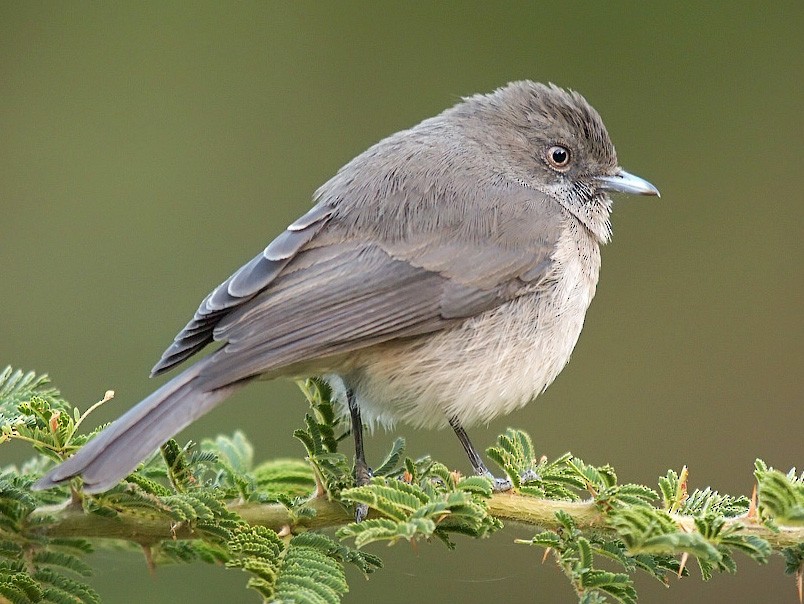
ðŸĶ Abyssinian Wheatear – The Mountain Songbird of East Africa Introduction The Abyssinian Wheatear (Oenanthe lugubris) is a striking bird native to the highlands and rocky landscapes of East Africa. Known for its elegant plumage and agile movements, this bird thrives in the rugged terrains of Ethiopia, Eritrea, Somalia, Kenya, and northern Tanzania. Its beauty, resilience, and melodious calls make it a fascinating species for birdwatchers and ornithologists alike.


Here’s a complete blog-style article about the Abyssinian Wheatear (Oenanthe lugubris) — ideal for nature, birdwatching, or wildlife-focused blogs ðŸĶ👇


Scientific Classification

  • Common Name: Abyssinian Wheatear

  • Scientific Name: Oenanthe lugubris

  • Family: Muscicapidae (Old World Flycatchers)

  • Genus: Oenanthe

  • Conservation Status: Least Concern (IUCN Red List)

  • Habitat: Rocky hillsides, highland grasslands, cliffs, and open mountain slopes


Physical Description

The Abyssinian Wheatear is a medium-sized passerine bird with a compact body and upright posture. Its plumage shows striking contrasts between dark and pale tones, which vary slightly between males, females, and subspecies.

Male

  • Head, back, and breast: Deep black or dark brown

  • Underparts: White or buffy-white belly and undertail coverts

  • Tail: White base with a contrasting black terminal band

  • Bill and legs: Black and slender, adapted for hopping on rocky surfaces

Female

  • More brownish-gray overall, with subtler contrast and lighter underparts.

  • Her muted tones provide excellent camouflage against rocky surroundings.

Juvenile

  • Often brownish with faint mottling, gradually acquiring adult coloration as it matures.

Average length: 15–17 cm
Average weight: 20–25 grams


Habitat and Distribution

The Abyssinian Wheatear prefers arid and semi-arid highland regions, particularly between 1,500 and 3,000 meters above sea level.

It is commonly found in:

  • The Ethiopian Highlands (Abyssinia) — its primary range and namesake

  • Parts of Eritrea, northern Kenya, and northern Tanzania

  • Rocky slopes, gorges, and scrublands where it nests among boulders or crevices

These rugged environments offer the perfect blend of open space for hunting insects and shelter for nesting.


Behavior and Diet

The Abyssinian Wheatear is a territorial and ground-feeding bird. It is often seen perched on rocks or small shrubs, scanning for prey, before darting swiftly to catch it.

Diet:

  • Mainly insects and other small invertebrates

  • Occasionally small seeds or berries

It hunts by “perch-and-pounce” — a behavior where the bird watches its surroundings intently before quickly flying down to grab its prey.


Breeding and Nesting

Breeding typically occurs during the wet season, when insect populations are abundant.

  • Nest: Built in rock crevices, under stones, or in abandoned burrows.

  • Material: Grasses, plant fibers, and feathers for lining.

  • Clutch size: 3–5 pale blue or whitish eggs.

  • Both parents take part in feeding the chicks until fledging.

The species is monogamous, with pairs often returning to the same territory year after year.


Voice and Song

The Abyssinian Wheatear has a sweet, melodious call, consisting of whistling and chattering notes.
Its song is used both for:

  • Territorial defense, and

  • Courtship displays during breeding season.

Its vocalizations often echo across mountain valleys, making it easy to locate even before spotting it.


Subspecies

There are a few recognized subspecies of Oenanthe lugubris, each varying slightly in color and distribution:

  1. O. l. lugubris – Found in the Ethiopian highlands.

  2. O. l. schalowi – Found in Kenya and northern Tanzania; paler and less contrasting in color.


Conservation Status

According to the IUCN Red List, the Abyssinian Wheatear is classified as Least Concern due to its wide range and stable population.
However, habitat degradation through overgrazing, agriculture, and climate change may pose future threats, especially in localized highland areas.


Interesting Facts

  • The name “Abyssinian” refers to Abyssinia, the former name for Ethiopia, where the bird is most commonly found.

  • Wheatears are known for their wagging tails, a characteristic behavior also seen in this species.

  • The Abyssinian Wheatear is related to the Northern Wheatear (Oenanthe oenanthe), which migrates across continents — though the Abyssinian species is largely resident.

  • Their subtle but striking coloration helps them blend perfectly with rocky mountain landscapes, providing excellent camouflage from predators.


Conclusion

The Abyssinian Wheatear is a jewel of the East African highlands — a bird that embodies grace, adaptability, and natural beauty. Its dark plumage against the golden rocks of Ethiopia’s mountains paints a breathtaking picture of life thriving in harsh landscapes.

For bird enthusiasts, spotting the Abyssinian Wheatear is not just a visual delight, but also a reminder of how perfectly nature shapes life to suit its environment.


Quick Summary:

Feature Description
Scientific Name Oenanthe lugubris
Common Name Abyssinian Wheatear
Family Muscicapidae
Habitat Rocky highlands of East Africa
Diet Insects and small invertebrates
Conservation Status Least Concern
Notable Feature Contrasting black and white plumage, melodious song

Would you like me to create a short “Did You Know?” box for your blog (with 3–4 fun trivia lines about this bird)? It can help engage readers and improve SEO readability.


"This Content Sponsored by SBO Digital Marketing.

Mobile-Based Part-Time Job Opportunity by SBO!

Earn money online by doing simple content publishing and sharing tasks. Here's how:

  • Job Type: Mobile-based part-time work
  • Work Involves:
    • Content publishing
    • Content sharing on social media
  • Time Required: As little as 1 hour a day
  • Earnings: ₹300 or more daily
  • Requirements:
    • Active Facebook and Instagram account
    • Basic knowledge of using mobile and social media

For more details:

WhatsApp your Name and Qualification to 9943990669

a.Online Part Time Jobs from Home

b.Work from Home Jobs Without Investment

c.Freelance Jobs Online for Students

d.Mobile Based Online Jobs

e.Daily Payment Online Jobs

Keyword & Tag: #OnlinePartTimeJob #WorkFromHome #EarnMoneyOnline #PartTimeJob #jobs #jobalerts #withoutinvestmentjob"
Wednesday, 29 October 2025

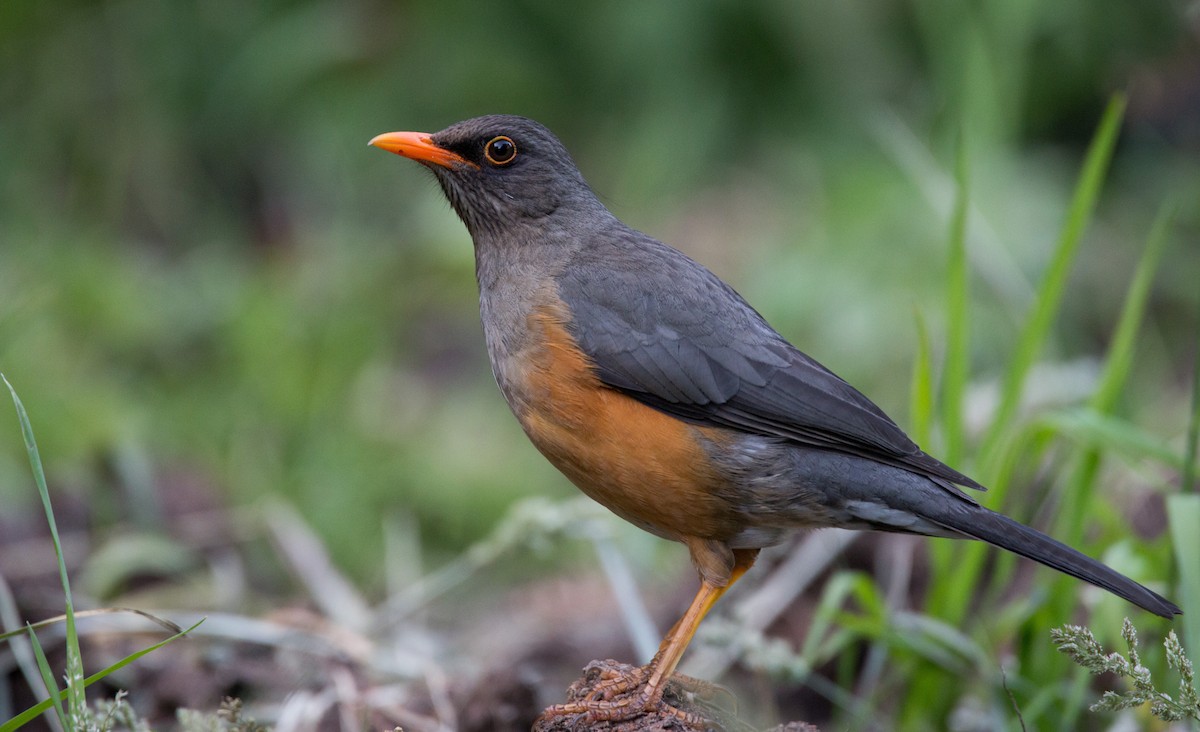
The Abyssinian thrush (Turdus abyssinicus) is a passerine bird in the family Turdidae. It is also known as the African mountain thrush, or northern olive thrush The species was formerly treated as conspecific with the olive thrush (Turdus olivaceus) but the species were split based on the genetic differences. The ranges do not overlap. The Abyssinian thrush is found in Eritrea and other parts of the Horn of Africa, as well as an area to the southeast extending from the African Great Lakes region to north eastern Zambia and Malawi.[


Abyssinian Thrush

Image

Image

Image

Here’s a detailed profile of the Abyssinian Thrush — great for blog use, bird-watching notes or a nature column.


Basic Profile & Taxonomy


Description & Identification


Distribution & Habitat

  • Geographic range: Found in the highlands and montane forests of eastern Africa – from Eritrea and Ethiopia, southwards through parts of Kenya, Tanzania, and extending into north-eastern Zambia & Malawi. (Wikipedia)

  • Habitat: Montane forests, woodlands, exotic plantations, gardens and parks in highland areas. (wildlife of kenya by Nicolas Urlacher)


Behaviour & Ecology

  • Diet: Likely includes insects, molluscs, spiders and probably fruit—as typical for many thrushes — though detailed studies are somewhat limited. (wildlife of kenya by Nicolas Urlacher)

  • Nesting: Cup‐shaped nests are built, often elevated in trees or bushes, though specific nest details for all subspecies may still be scarce.

  • Movement: Generally resident in its montane habitat, though local movements may occur depending on food availability or seasonal variation. (avibase.bsc-eoc.org)


Subspecies & Taxonomic Notes

  • This species was formerly classified as a subspecies of the Olive Thrush (Turdus olivaceus), but genetic studies have supported its status as a separate species. (Wikipedia)

  • Multiple subspecies are recognised, including T. a. abyssinicus, T. a. deckeni, T. a. baraka, T. a. bambusicola, T. a. nyikae, T. a. oldeani. (Wikipedia)


Importance & Conservation

  • While listed as Least Concern, its dependence on montane forest habitat means that habitat degradation (deforestation, land use change) could impact local populations.

  • It serves as a good indicator species for the health of highland forest ecosystems in eastern Africa.

  • Birdwatchers and ecotourists targeting highland forest zones (Ethiopia, Kenya highlands, Tanzania mountains) often prize sightings of this bird.


Fun Facts

  • Because its bill is orange (rather than yellow), the Abyssinian Thrush looks distinct compared to many “olive thrush” types.

  • In Kenya and Tanzania, this species may go by names like “Mountain Thrush” in birding guides.

  • Some subspecies show slight variation in colouration, especially in more remote mountain habitats.


If you like, I can pull audio of its song/call, distribution map, and photographic shots of nesting & juvenile plumage — would you like that for your blog?


"This Content Sponsored by SBO Digital Marketing.

Mobile-Based Part-Time Job Opportunity by SBO!

Earn money online by doing simple content publishing and sharing tasks. Here's how:

  • Job Type: Mobile-based part-time work
  • Work Involves:
    • Content publishing
    • Content sharing on social media
  • Time Required: As little as 1 hour a day
  • Earnings: ₹300 or more daily
  • Requirements:
    • Active Facebook and Instagram account
    • Basic knowledge of using mobile and social media

For more details:

WhatsApp your Name and Qualification to 9943990669

a.Online Part Time Jobs from Home

b.Work from Home Jobs Without Investment

c.Freelance Jobs Online for Students

d.Mobile Based Online Jobs

e.Daily Payment Online Jobs

Keyword & Tag: #OnlinePartTimeJob #WorkFromHome #EarnMoneyOnline #PartTimeJob #jobs #jobalerts #withoutinvestmentjob"
Tuesday, 28 October 2025

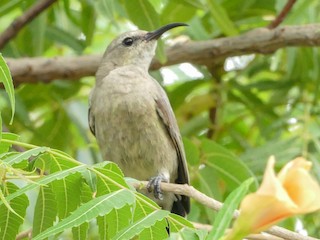
The Abyssinian sunbird, formerly the shining sunbird, is a species of passerine bird in the sunbird family Nectariniidae. The Arabian sunbird was formerly treated as a subspecies


Abyssinian Sunbird

Image

Image

Image

Here’s a full profile of the Abyssinian Sunbird (Abyssinian Sunbird), covering its description, habitat, behaviour and conservation.


ðŸĶ Description & Taxonomy

  • Scientific name: Abyssinian Sunbird = Cinnyris habessinicus. (Wikipedia)

  • It belongs to the family Nectariniidae (sunbirds) in the order Passeriformes. (oiseaux.net)

  • Sexual dimorphism: The adult male in breeding plumage has brilliant metallic green upperparts and throat, a violet or blue crown, a bright red breast band with a narrow blue line, and bluish-black wings and tail. (Wikipedia)

  • The female is much more subdued: brownish-buff above, paler underparts. (Wikipedia)

  • Size: approximately ~13 cm in length (as per one data sheet) for adult. (oiseaux.net)


🌍 Distribution & Habitat

  • The Abyssinian Sunbird is found in northeast Africa: countries include Sudan, Eritrea, Ethiopia, Somalia, Kenya, Uganda, and Djibouti. (Wikipedia)

  • It typically inhabits dry, open areas such as rocky or sandy terrain, dry riverbeds with Acacia or Ziziphus trees. (Wikipedia)

  • It may also occur in semi-arid regions and scrubland, as sunbirds often adapt to somewhat arid environments.


ðŸ― Diet & Behaviour

  • As with most sunbirds, the Abyssinian Sunbird primarily feeds on nectar, using its down-curved bill and brush-tipped tongue to extract it. (The Guardian)

  • It will also take insects and small arthropods, especially when feeding young or as supplemental food. (Wikipedia)

  • Nesting behaviour: Both sexes build a characteristic purse-like, hanging nest from thin branches of shrubs or trees. The female lays typically two (sometimes three) eggs. (The Guardian)


ðŸ§Đ Subspecies & Taxonomy Notes

  • There are three recognised subspecies:

    • C. h. habessinicus – northeast Sudan, Eritrea, north & central Ethiopia.

    • C. h. alter – east Ethiopia, north Somalia.

    • C. h. turkanae – southeast Sudan, south Ethiopia, south Somalia, north Kenya, northeast Uganda. (Wikipedia)

  • Previously the species was considered together with the Arabian Sunbird under the name “Shining Sunbird”. It has since been split. (BirdForum)


✅ Conservation Status

  • The species is listed as Least Concern by the IUCN. (BirdLife DataZone)

  • It has a large range and appears to have a stable population trend (i.e., it does not meet thresholds for a more threatened category). (BirdLife DataZone)


🔍 Interesting Facts

  • The dazzling colour of the male’s iridescent plumage is typical for sunbirds, which use bright metallic hues to attract mates and advertise territory.

  • Despite its bright colours, it inhabits rather harsh and dry environments rather than lush tropical forests — quite adaptive.

  • The name “Abyssinian” refers to historical region of Abyssinia (modern‐day Ethiopia/region) where the species was first noted.


ðŸŽŊ Why It’s Important

  • Sunbirds are important nectar-pollinators in many African habitats — the Abyssinian Sunbird likely plays a role in pollinating acacia-type shrubs and other flowering plants in its region.

  • Its presence in somewhat arid and semi-arid zones shows the adaptability of nectar-feeding birds beyond tropical rainforests.


If you like, I can pull up a map of its full range, audio recordings of its song/call, and photography tips for spotting the Abyssinian Sunbird in the field. Would you like that?


"This Content Sponsored by SBO Digital Marketing.

Mobile-Based Part-Time Job Opportunity by SBO!

Earn money online by doing simple content publishing and sharing tasks. Here's how:

  • Job Type: Mobile-based part-time work
  • Work Involves:
    • Content publishing
    • Content sharing on social media
  • Time Required: As little as 1 hour a day
  • Earnings: ₹300 or more daily
  • Requirements:
    • Active Facebook and Instagram account
    • Basic knowledge of using mobile and social media

For more details:

WhatsApp your Name and Qualification to 9943990669

a.Online Part Time Jobs from Home

b.Work from Home Jobs Without Investment

c.Freelance Jobs Online for Students

d.Mobile Based Online Jobs

e.Daily Payment Online Jobs

Keyword & Tag: #OnlinePartTimeJob #WorkFromHome #EarnMoneyOnline #PartTimeJob #jobs #jobalerts #withoutinvestmentjob"

Monday, 27 October 2025

The Abyssinian slaty flycatcher (Melaenornis chocolatinus), also known as Abyssinian flycatcher, Abyssinian black flycatcher or Abyssinian chocolate flycatcher, is a species of bird in the family Muscicapidae, the Old World flycatchers. It is often placed in the genus Dioptrornis. It is native to Africa, where it occurs in Eritrea and Ethiopia.[1]


Abyssinian Slaty Flycatcher (Melaenornis chocolatinus)

Image


Here’s a detailed overview of the Abyssinian Slaty Flycatcher — its identity, habitat, behaviour and why it matters.


ðŸĶ Basic Profile

  • Common names: Abyssinian Slaty Flycatcher, Abyssinian Flycatcher, Abyssinian Black Flycatcher, Abyssinian Chocolate Flycatcher. (avibase.bsc-eoc.org)

  • Scientific name: Melaenornis chocolatinus. (avibase.bsc-eoc.org)

  • Family: Muscicapidae (Old World flycatchers) — the “chats and flycatchers”. (The Guardian)

  • IUCN Red List Status: Least Concern (due to its relatively wide range and stable population). (BirdLife DataZone)


🌍 Distribution & Habitat

  • Geographic range: Primarily in Ethiopia and Eritrea (Highlands and plateaus) in Africa. (Wikipedia)

    • For example, subspecies M. c. chocolatinus occurs in central Eritrea and north/central Ethiopia. (Wikipedia)

    • Subspecies M. c. reichenowi in western Ethiopia. (Wikipedia)

  • Habitat: Mid to high altitude forests, woodland edges, clearings, sometimes suburban gardens/parks in upland areas. (Wikipedia)

  • Elevation & terrain: As a highland species, it is adapted to cooler upland environments (rather than lowland tropics).


🔍 Physical Description & Behaviour

  • Size & appearance: Around 15-16 cm in length; weight approx. 20-25 g. (Wikipedia)

  • Plumage: Upperparts are dark sooty/brownish (slate-like), underparts buff brown; yellow eye stands out. (Wikipedia)

  • Behaviour:

    • Perches vertically like typical flycatchers. (Wikipedia)

    • Foraging: Salls out from perch to catch insects in flight (typical flycatcher method). (The Guardian)

  • Vocalisations: Makes “tseep” calls and harsh alarm calls (“chiiering” type) when disturbed. (Wikipedia)


📅 Reproduction & Ecology

  • Breeding: Suspected breeding periods include January-February and March-June in Ethiopia (based on gonad observations). (Wikipedia)

  • Nesting: Cup-shaped nest placed in a narrow fork on a horizontal branch; clutch size around 3 blue-grey blotched eggs. (Wikipedia)

  • Role in ecosystem: As an insectivore, helps control insect populations; also part of the highland forest/woodland bird community.


✅ Conservation & Significance

  • Status: Least Concern, thanks to a fairly large range and absence of major rapid declines. (BirdLife DataZone)

  • Threats: While currently stable, potential threats include habitat degradation (deforestation, changes in land-use) especially in highland zones.

  • Significance:

    • Represents the unique avifauna of the Ethiopian/Eritrean highlands — regions with many endemic or near-endemic species.

    • Relatively inconspicuous but interesting from a behavioural/biogeographic standpoint (adapted to highland flycatcher niche).


📝 Interesting Facts

  • The genus placement: It has sometimes been placed in the genus Dioptrornis. (Wikipedia)

  • The common name “slaty” refers to its slate-grey/brownish upperparts, while “Abyssinian” is an old name for the upland region of Ethiopia/Eritrea (historically Abyssinia).

  • Even though it might appear “drab” compared to colourful tropical birds, its subtle colouring suits its upland woodland environment.


If you like, I can pull together detailed maps of its distribution, recorded migratory or movement patterns, and key sites for observing this species in Ethiopia/Eritrea. Would you like me to do that?


"This Content Sponsored by SBO Digital Marketing.

Mobile-Based Part-Time Job Opportunity by SBO!

Earn money online by doing simple content publishing and sharing tasks. Here's how:

  • Job Type: Mobile-based part-time work
  • Work Involves:
    • Content publishing
    • Content sharing on social media
  • Time Required: As little as 1 hour a day
  • Earnings: ₹300 or more daily
  • Requirements:
    • Active Facebook and Instagram account
    • Basic knowledge of using mobile and social media

For more details:

WhatsApp your Name and Qualification to 9943990669

a.Online Part Time Jobs from Home

b.Work from Home Jobs Without Investment

c.Freelance Jobs Online for Students

d.Mobile Based Online Jobs

e.Daily Payment Online Jobs

Keyword & Tag: #OnlinePartTimeJob #WorkFromHome #EarnMoneyOnline #PartTimeJob #jobs #jobalerts #withoutinvestmentjob"
Sunday, 26 October 2025

The Abyssinian scimitarbill (Rhinopomastus minor) is a species of bird in the family Phoeniculidae. The term Abyssinia, is an old name for the region of Ethiopia, and scimitar refers to a curved sword, which its bill resembles. It is found in Djibouti, Ethiopia, Kenya, Somalia, South Sudan, Tanzania, and Uganda. The bird is non migratory, diurnal, and terrestrial.[2] Their nests are sometimes parasitized by the greater honeyguide (Indicator indicator) which are favored by some because they can guide to beehives.

Abyssinian Scimitarbill


 Here’s a detailed overview of the Abyssinian Scimitarbill — its identity, habits, habitat, conservation and why it’s a bird worth knowing about.

1. Identity & Taxonomy

  • Scientific name: Abyssinian Scimitarbill (Rhinopomastus minor). (avibase.bsc-eoc.org)

  • Family: Phoeniculidae (the wood-hoopoes and scimitarbills). (Wikipedia)

  • The “scimitarbill” name refers to its long, curved bill (like a scimitar) which is a defining trait. (Wikipedia)

  • Two recognized subspecies:

    • R. m. minor (Ethiopia, Somalia & northeast Kenya)

    • R. m. cabanisi (South Sudan, southwest Ethiopia, Kenya to northern Tanzania) (oiseaux.net)


2. Physical Description

  • Size: About 24 cm in length. (oiseaux.net)

  • Plumage: Glossy blue-black overall; the head and back may show a violet or bluish sheen. (Wikipedia)

  • Bill: Bright orange-red (in mature birds); it is curved downward and pointed — suited for probing and insect hunting. (tanzaniabirds.net)

  • Legs: Black or dark (not always brightly coloured); tail relatively short compared to some related species. (Wikipedia)

  • Sexual dimorphism: Some colour/size differences noted (males slightly larger). (Wikipedia)


3. Distribution & Habitat

  • Geographic range: Found in northeastern Africa — countries include Djibouti, Ethiopia, Kenya, Somalia, South Sudan, Tanzania, Uganda. (Wikipedia)

  • Habitats:

    • Open bush-savanna, thorn scrub, dry woodlands. (tanzaniabirds.net)

    • Often in low to moderate altitudes (below ~1,400 m) in semi-arid zones. (Wikipedia)

    • It favours trees or large shrubs, trunks and cavities for nesting. (oiseaux.net)

  • Status: The International Union for Conservation of Nature (IUCN) lists it as Least Concern (LC) — its range is reasonably wide, though habitat is somewhat fragmented. (BirdLife DataZone)


4. Behaviour & Ecology

Feeding:

  • Insectivorous: hunts insects, larvae, ants, beetles, wasps etc by probing into bark, crevices, rotten wood using its curved bill. (Wikipedia)

  • Sometimes takes seeds/berries but primarily a bug-hunter. (Wikipedia)

Nesting & Breeding:

  • Nests in tree hollows or old wood-pecker holes; sometimes old beehives (in certain localities) used. (Wikipedia)

  • Clutch size: Typically small (2 eggs or so) though detailed studies are fewer. (Wikipedia)

  • Some nest parasitism: The species’ nest has been reported to be parasitized by the greater honeyguide (Indicator indicator). (Wikipedia)

Vocalisations:

  • Emits sharp calls — the call helps detect its presence, often a rising “dok”-type sound. (Wikipedia)


5. Conservation & Threats

  • As mentioned: IUCN status is Least Concern. (BirdLife DataZone)

  • However: Habitat degradation (dry bush, woodland clearance) could impact local populations. Monitoring is somewhat limited.

  • Its dependence on large trees/hollow cavities for nesting means that loss of mature trees is a potential threat.

  • Its semi-arid habitat may face changing climate impacts (though not specifically documented for this species).

  • Because it is not globally rare, it’s not a top priority species but still ecologically significant.


6. Why It’s Interesting & Worth Noting

  • The curved bill is a morphological marvel — adapted to probing in bark and crevices, a good example of niche-adaptation.

  • Its sleek glossy plumage combined with the bright bill makes it visually striking.

  • It inhabits dry and semi‐arid environments — many people expect birds of woodland to be in lush rainforest, so this shows bird diversity in less obvious habitats.

  • For birdwatchers in East Africa, spotting this species is a nice find and adds to the richness of the region’s avifauna.

  • Its link with mimicry/parasitism (honeyguide interaction) adds a layer of ecological complexity.


7. Blog-Friendly Structure & Visuals

Suggested blog outline:

  1. Hook: “Meet the curved-billed hunter of the African dry bush”

  2. Taxonomy & name story (why “scimitarbill”)

  3. Physical appearance (with photos)

  4. Habitat & where to find it (range map)

  5. Behaviour: feeding, nesting, calls

  6. Conservation outlook & how to help

  7. Birdwatcher’s notes: how and where you might observe it in East Africa

  8. Final thoughts: What this species teaches us about adaptation & habitat diversity

Visuals you can include:

  • Close-up of bill and head showing bill curve

  • Range map of its distribution

  • Bird in a typical habitat (dry thorn-scrub)

  • Nesting cavity or typical perch

  • Side-by-side comparison with other scimitarbills for context

Sidebar elements:

  • Quick facts box: Size, bill length, IUCN status, range

  • Call audio clip (if embedding is possible)

  • Recommended field guide & reference links


✅ Summary

The Abyssinian Scimitarbill is a fascinating bird of the African dry woodlands — distinguished by its curved bill, glossy plumage, and insect-probing lifestyle. While it may not be one of the world’s rarities, it embodies adaptation, ecological niche, and the biodiversity of semi-arid habitats. For blog-readers interested in birds, habitats beyond the tropics, or African ecosystems, it makes an excellent subject.


If you like, I can gather high-resolution images with open usage rights, map recent sightings (eBird) of the Abyssinian Scimitarbill, and provide a downloadable infographic summarising its features for your blog. Would you like me to pull those?


"This Content Sponsored by SBO Digital Marketing.

Mobile-Based Part-Time Job Opportunity by SBO!

Earn money online by doing simple content publishing and sharing tasks. Here's how:

  • Job Type: Mobile-based part-time work
  • Work Involves:
    • Content publishing
    • Content sharing on social media
  • Time Required: As little as 1 hour a day
  • Earnings: ₹300 or more daily
  • Requirements:
    • Active Facebook and Instagram account
    • Basic knowledge of using mobile and social media

For more details:

WhatsApp your Name and Qualification to 9943990669

a.Online Part Time Jobs from Home

b.Work from Home Jobs Without Investment

c.Freelance Jobs Online for Students

d.Mobile Based Online Jobs

e.Daily Payment Online Jobs

Keyword & Tag: #OnlinePartTimeJob #WorkFromHome #EarnMoneyOnline #PartTimeJob #jobs #jobalerts #withoutinvestmentjob"
Saturday, 25 October 2025

The European roller is the only member of the roller family breeding in Europe. Its range extends into the Maghreb, West Asia and Central Asia. It winters in southern Africa, primarily in dry wooded savanna and bushy plains. It occurs in a wide variety of habitats, but avoids treeless plains.


Here’s a detailed profile of the European Roller (Coracias garrulus) ðŸĶ💙


European Roller – Overview

Attribute Details
Common Name European Roller
Scientific Name Coracias garrulus
Family Coraciidae (roller family)
Conservation Status Least Concern (IUCN), but declining in parts of Europe
Length 29–32 cm
Wingspan 52–58 cm
Weight 140–160 g
Distribution Europe, Middle East, Central Asia, northern Africa (breeding in Europe, winters in Africa)
Habitat Open countryside, woodlands, savannas, farmland edges

Physical Description

  • Plumage: Vibrant blue with turquoise highlights

  • Back & Wings: Chestnut-brown back, bright blue wings with black flight feathers

  • Head & Neck: Light blue, often with turquoise sheen

  • Beak: Strong, black, slightly hooked

  • Sexes: Males and females look similar, males slightly brighter


Behavior

  • Diet: Insects (beetles, grasshoppers, crickets), small reptiles, occasionally small birds or rodents

  • Hunting Technique: Swoops from a perch to catch prey on the ground (“rolling” dives give the family its name)

  • Nesting:

    • Uses tree cavities, old woodpecker holes, or nest boxes

    • Lays 4–6 eggs, incubated ~17–20 days

  • Migration:

    • Long-distance migrant

    • Breeds in Europe and western Asia; winters in tropical Africa


Interesting Facts

  • Named “roller” because of acrobatic aerial displays during courtship

  • Symbol of happiness and good luck in folklore in some European cultures

  • Populations declining due to habitat loss, pesticide use, and loss of nesting sites


Conservation Tips

  • Provide nest boxes in suitable open countryside

  • Maintain traditional farmland with scattered trees

  • Avoid pesticides to preserve insect prey

  • Protect breeding habitats from deforestation


If you want, I can make a visual guide showing the European Roller’s colors, flight posture, and range map — very useful for birdwatchers.

Do you want me to create that visual guide?


"This Content Sponsored by SBO Digital Marketing.

Mobile-Based Part-Time Job Opportunity by SBO!

Earn money online by doing simple content publishing and sharing tasks. Here's how:

·         Job Type: Mobile-based part-time work

·         Work Involves:

·          

o    Content publishing

o    Content sharing on social media

·         Time Required: As little as 1 hour a day

·         Earnings: ₹300 or more daily

·         Requirements:

·          

o    Active Facebook and Instagram account

o    Basic knowledge of using mobile and social media

For more details:

WhatsApp your Name and Qualification to 9943990669

a.Online Part Time Jobs from Home

b.Work from Home Jobs Without Investment

c.Freelance Jobs Online for Students

d.Mobile Based Online Jobs

e.Daily Payment Online Jobs

Keyword & Tag: #OnlinePartTimeJob #WorkFromHome #EarnMoneyOnline #PartTimeJob #jobs #jobalerts #withoutinvestmentjob"