Sunday, 22 June 2025

Among the many seabirds that grace our skies, few are as unique and vulnerable as Abbott’s Booby. This rare species of booby, now restricted to just one location in the world—Christmas Island, is a symbol of evolutionary resilience and environmental fragility. It is the sole species in the genus Papasula, making it not just biologically unique, but a true evolutionary relic—believed to have diverged from other boobies more than 20 million years ago.


ЁЯРж Abbott’s Booby (Papasula abbotti) – A Living Relic of the Ocean Skies

Scientific Name: Papasula abbotti
Family: Sulidae (boobies and gannets)
Status: Endangered
Habitat: Christmas Island (Indian Ocean)
Named After: American naturalist William Louis Abbott, who discovered the bird in 1892


ЁЯМН Introduction


ЁЯФО Physical Characteristics

  • Size: One of the largest boobies – body length around 80 cm (31 in); wingspan up to 2 meters

  • Coloration: Striking contrast – black upper wings and tail with white body and head

  • Bill: Pale blue or pinkish with a long, tapered shape for efficient fishing

  • Flight Style: Graceful glider, uses thermals for soaring over the ocean


ЁЯРг Behavior & Breeding

  • Breeding Range: Exclusively nests in tall emergent rainforest trees on Christmas Island

  • Nesting: Single egg laid in a flimsy stick nest high in the canopy

  • Incubation: Around 2 months; both parents share incubation and chick-rearing duties

  • Breeding Interval: Once every 2–3 years – very slow reproduction rate

  • Chick Dependency: Chicks remain dependent on parents for up to 6 months

This slow life cycle makes the species extremely vulnerable to disturbances.


ЁЯРЯ Diet & Foraging

  • Diet: Primarily fish and squid

  • Feeding Method: Plunge-diving from great heights into the ocean

  • Can forage hundreds of kilometers away from breeding sites, using soaring flight to cover long distances efficiently


⚠️ Conservation Status & Threats

Abbott’s Booby is listed as Endangered on the IUCN Red List, facing serious threats:

ЁЯЪл Major Threats:

  • Deforestation: Historical phosphate mining on Christmas Island cleared vital nesting forests

  • Wind turbulence: Secondary forests regrown after mining create wind shear that destabilizes nests

  • Invasive species: Yellow crazy ants damage forest canopy and disturb nesting habitats

  • Climate change: Altered ocean temperatures may reduce food supply during breeding


ЁЯМ▒ Conservation Efforts

  • Protected habitat: Christmas Island National Park protects core nesting areas

  • Restoration work: Efforts to reforest mined areas with native species

  • Invasive species control: Programs to reduce yellow crazy ant populations

  • Research & Monitoring: Long-term tracking of population trends and breeding success

Current estimates suggest fewer than 3,000 breeding pairs remain, making conservation urgent.


ЁЯзм A Living Fossil

Genetic studies reveal that Papasula abbotti is the most ancient lineage among all boobies and gannets, diverging before any other members of the family Sulidae. This makes it a living fossil, offering scientists insights into seabird evolution and oceanic adaptation.


ЁЯУ╕ Fascinating Facts

  • Abbott’s Booby is nocturnal at sea, often flying at night in search of food

  • It was once thought extinct until rediscovered on Christmas Island

  • Its chicks are covered in fluffy white down, resembling soft snowballs in treetops

  • It can live 20–40 years in the wild due to its slow and careful breeding habits


ЁЯМК Final Thoughts

Abbott’s Booby is more than just a rare bird — it is a biological treasure, surviving against the odds on a single island in the vast Indian Ocean. Its story reminds us of how precious and fragile island ecosystems can be.

Protecting this majestic glider means preserving one of Earth’s oldest seabird lineages — a creature that has soared above the waves since prehistoric times.


Would you like a visual infographic or conservation timeline about Abbott’s Booby? Let me know!


"This Content Sponsored by Buymote Shopping app

BuyMote E-Shopping Application is One of the Online Shopping App

Now Available on Play Store & App Store (Buymote E-Shopping)

Click Below Link and Install Application: https://buymote.shop/links/0f5993744a9213079a6b53e8

Sponsor Content: #buymote #buymoteeshopping #buymoteonline #buymoteshopping #buymoteapplication"

Sunday, 15 June 2025

The male peafowl, known as a peacock, is famous for its vibrant blue neck and spectacular fan-shaped tail (train) adorned with eye-like patterns. The female, called a peahen, is brownish-grey and smaller, with no large train.


ЁЯжЪ Indian Peafowl (Peacock) – The Majestic Bird of India


ЁЯУМ Quick Facts

Common Name Indian Peafowl / Peacock
Scientific Name Pavo cristatus
Family Phasianidae (Pheasant family)
Found In India, Sri Lanka, Pakistan, Nepal
Status Least Concern (IUCN)
National Symbol National bird of India (since 1963)

ЁЯМИ Appearance

  • The male peafowl, known as a peacock, is famous for its vibrant blue neck and spectacular fan-shaped tail (train) adorned with eye-like patterns.

  • The female, called a peahen, is brownish-grey and smaller, with no large train.

  • The male’s tail can reach up to 6 feet in length and is used for courtship displays.

  • They have a distinctive crest on their head and strong legs with sharp spurs.


ЁЯПЮ️ Habitat and Distribution

  • Native to the Indian subcontinent, Indian Peafowls are found in:

    • Forests

    • Agricultural fields

    • Grasslands

    • Near villages and temples

  • They adapt well to human settlements, and are commonly seen in rural and semi-urban areas.


ЁЯО╢ Sounds and Communication

  • Peacocks make loud calls, especially during the monsoon or mating season.

  • The call sounds like “meow” or “piaow”, and can be heard from far distances.

  • These sounds serve to attract mates and warn others of predators.


ЁЯРЫ Diet

Indian peafowls are omnivores. Their diet includes:

  • Insects (ants, termites, beetles)

  • Seeds and grains

  • Fruits and berries

  • Small reptiles (like lizards and snakes)

  • Even small mammals in rare cases

They help farmers by eating pests and snakes.


ЁЯТС Breeding and Reproduction

  • Breeding season: June to September (monsoon months)

  • Males perform elaborate courtship dances with tail feathers spread wide

  • Peahens lay 3–5 eggs in ground nests

  • Chicks hatch in about 28 days, and follow the mother for protection


ЁЯЗоЁЯЗ│ National Bird of India

  • Declared the national bird in 1963 due to:

    • Its rich religious and cultural significance

    • Its graceful beauty

    • Being native to India

  • Appears in Hindu mythology, associated with deities like Lord Murugan (Kartikeya) and Saraswati.

  • Featured in Indian art, dance, and folklore.


ЁЯзм Interesting Facts

  • The “eyes” on the feathers are used to hypnotize or confuse predators and rivals.

  • Despite its large tail, a peacock can fly short distances (usually to trees).

  • The feathers shed naturally each year and grow back.

  • It’s illegal to hunt or harm peafowls in India under the Wildlife Protection Act, 1972.


ЁЯМН Conservation Status

  • Least Concern globally, but locally faces threats like:

    • Habitat loss

    • Pesticide use in farmlands

    • Illegal hunting in some regions

Efforts are in place to conserve their habitats and raise awareness.


ЁЯУЭ Conclusion

The Indian Peafowl is more than just a bird—it is a symbol of beauty, culture, and pride. With its shimmering feathers and graceful dance, it has inspired generations in art, religion, and national identity. Protecting the peacock means protecting India’s vibrant natural heritage.


ЁЯФЦ Tags: #IndianPeafowl #Peacock #NationalBirdOfIndia #WildlifeIndia #PeafowlFacts


Would you like a Tamil version, an infographic, or a Pixar-style image prompt of the peacock doing a dance in the forest? Let me know!


"This Content Sponsored by Buymote Shopping app

BuyMote E-Shopping Application is One of the Online Shopping App

Now Available on Play Store & App Store (Buymote E-Shopping)

Click Below Link and Install Application: https://buymote.shop/links/0f5993744a9213079a6b53e8

Sponsor Content: #buymote #buymoteeshopping #buymoteonline #buymoteshopping #buymoteapplication"


Sunday, 8 June 2025

Dark brown‑black plumage with a pale patch on the chin. It has long, slender, scythe‑shaped wings and a short forked tail (en.wikipedia.org).

 Common swift - Wikipedia

ЁЯХК️ Overview & Identification

  • Size: Measures about 16–17 cm long with a 42–48 cm wingspan (animaldiversity.org).

  • Appearance: Dark brown‑black plumage with a pale patch on the chin. It has long, slender, scythe‑shaped wings and a short forked tail (en.wikipedia.org).

  • Flight style: Known for fast, powerful wingbeats and prolonged glides, often emitting shrill “screaming” calls or two‑tone screeches (en.wikipedia.org).

ЁЯМН Habitat & Range

  • Distribution: Breeds across Europe and temperate Asia; winters in sub‑Saharan Africa (animaldiversity.org).

  • Nesting: Prefers vertical structures—cliffs, chimneys, eaves of old buildings—using their unique grasping feet (animaldiversity.org).

✈️ Aerial Lifestyle & Migration

  • Nearly constant flight: Non‑breeding swifts can remain airborne for up to 10 months, landing only briefly to breed (animals.howstuffworks.com).

  • Speed and range: Can fly 570–800 km per day during migration, reach speeds up to ~111 km/h, covering truly vast distances (birdlife.org).

ЁЯОЩ️ Social Behavior & Communication

  • "Screaming parties": Groups of 10–20 swifts form noisy evening aerial gatherings—possibly for roosting or social interaction (en.wikipedia.org).

  • Calls and sex: Vocalizations have rapid final “tweets”; males produce them about every 17 ms, females around 28 ms—an audible marker of sex (wildechoes.org).

ЁЯРг Reproduction

  • Pairing: Monogamous and faithful to nesting sites. Courtship begins at nest cavities on walls or buildings (animaldiversity.org).

  • Breeding cycle: Migrate north in spring, lay 1–4 eggs (usually two), incubate for ~19–20 days, and fledge in about a month (animaldiversity.org).

ЁЯЫб️ Conservation

  • Status: Globally “Least Concern,” but threatened by loss of nesting sites and insect food due to modern building practices and pesticides (birdlife.org).

  • Protective steps: Installing swift boxes and preserving eaves and chimneys helps maintain urban populations (birdlife.org).

Why the Common Swift Is Extraordinary

  1. Almost perpetual flight—a true master of the skies, eating, drinking, and sleeping aloft.

  2. High endurance and speed—record‑setting migration feats.

  3. Unique social dynamics—even their calls reveal sex and possibly individual identity.

"This Content Sponsored by Buymote Shopping app

BuyMote E-Shopping Application is One of the Online Shopping App

Now Available on Play Store & App Store (Buymote E-Shopping)

Click Below Link and Install Application: https://buymote.shop/links/0f5993744a9213079a6b53e8

Sponsor Content: #buymote #buymoteeshopping #buymoteonline #buymoteshopping #buymoteapplication"

Sunday, 25 May 2025

рооро▓்ро▓ாро░்роЯ் (Mallard) роОрой்рокродு роТро░ு рокро░ро╡ро▓ாроХ роХாрогрок்рокроЯுроо் ро╡ாрод்родு роЗройрооாроХுроо். роЗродு ро╡ிроЮ்роЮாрой рокெропро░ாрой Anas platyrhynchos роОрой்рокродாро▓் роЕро┤ைроХ்роХрок்рокроЯுроХிро▒родு. роЙро▓роХроо் рооுро┤ுро╡родுроо் роХாрогрок்рокроЯுроо் ро╡ройро╡ாрод்родுроХ்роХро│் (wild ducks) роЗро▓் рооிроХро╡ுроо் рокро░ро╡ро▓ாроХроХ் роХாрогрок்рокроЯுроо் роЗройроо் роЗродு.


рооро▓்ро▓ாро░்роЯ் рокро▒்ро▒ிроп рооுро┤ுрооைропாрой ро╡ிро╡ро░роЩ்роХро│் (родрооிро┤ிро▓்):

ЁЯФ╣ рокெропро░்:

  • родрооிро┤ிро▓்: рооро▓்ро▓ாро░்роЯ் ро╡ாрод்родு

  • роЖроЩ்роХிро▓род்родிро▓்: Mallard

  • ро╡ிроЮ்роЮாройрок் рокெропро░்: Anas platyrhynchos

ЁЯФ╣ ро╡роХை:

  • рокро▒ро╡ைроХро│் ро╡роХைропிро▓் роЪேро░ுроо்.

  • Anatidae роХுроЯுроо்рокрод்родைроЪ் роЪேро░்рои்родродு.

ЁЯУП роЙроЯро▓рооைрок்рокு:

ро╡ிро╖ропроо் ро╡ிро╡ро░роо்
роЙропро░роо் 50 – 65 роЪெ.рооீ.
роЗро▒роХ்роХைропிрой் роиீро│роо் роЪுрооாро░் 80 – 95 роЪெ.рооீ.
роОроЯை 0.7 – 1.6 роХிро▓ோ
  • роЖрог் ро╡ாрод்родு: рокроЪ்роЪை роиிро▒род் родро▓ை, ро╡ெро│்ро│ை роХро┤ுрод்родுрок் рокроЯ்роЯை, роиீро▓роЪ் роЪிро▒роХு.

  • рокெрог் ро╡ாрод்родு: рокро┤ுрок்рокு роХро▓рои்род роХро▓ро░், роЙроЯро▓் рооுро┤ுро╡родுроо் рооро▒ைро╡ு родрой்рооை роХொрог்роЯ рокுро│்ро│ிроХро│்.

ЁЯМН ро╡ிро░ுрок்рокрооாрой ро╡ாро┤ிроЯроо்:

  • роиீро░்роиிро▓ைроХро│் (роПро░ிроХро│், роиродிроХро│், роЪுройைроХро│்)

  • ро╡ிро╡роЪாроп роиிро▓роЩ்роХро│் роЕро░ுроХிро▓ுро│்ро│ роиீро░்роиிро▓ைроХро│்

  • роХுро│роЩ்роХро│், родேроХ்роХроЩ்роХро│்

  • роироХро░рок்рокுро▒ рокூроЩ்роХாроХ்роХро│் рооро▒்ро▒ுроо் роиீро░்род்родேроХ்роХ роХுро│роЩ்роХро│்

ЁЯН╜️ роЙрогро╡ுроХро│்:

  • роиீро░ிро▓் ро╡ро│ро░роХ்роХூроЯிроп родாро╡ро░роЩ்роХро│், рокுро▓், ро╡ிродைроХро│்

  • рокூроЪ்роЪிроХро│், роХிро│ро╡ிроХро│், роЪிро▒ிроп рооீрой்роХро│்

  • рокро▓ роЪрооропроЩ்роХро│ிро▓் рооройிродро░்роХро│் роХொроЯுроХ்роХுроо் роЙрогро╡ைропுроо் роЙрог்рогுроо் (рокொроЩ்роХро▓் роЕро░ிроЪி, ро░ொроЯ்роЯி рокோрой்ро▒ро╡ை – роЖройாро▓் роЗродு роЪுроХாродாро░род்родிро▒்роХு рокாродிрок்рокு родро░ро▓ாроо்)

ЁЯРг ро╡ро│роо் рооро▒்ро▒ுроо் роЗройрок்рокெро░ுроХ்роХроо்:

  • рокெрог் рооро▓்ро▓ாро░்роЯ் 8–13 рооுроЯ்роЯைроХро│் роЗроЯுроо்.

  • 26–28 роиாроЯ்роХро│ிро▓் роХுроЮ்роЪுроХро│் ро╡ெро│ிро╡ро░ுроо்.

  • рокெрог் роороЯ்роЯுрооே рооுроЯ்роЯைроХро│ுроХ்роХு роХாрод்родிро░ுроХ்роХிро▒родு.

  • рокிро▒рои்родро╡ுроЯрой் роХுроЮ்роЪுроХро│் родாропுроЯрой் роиீро░ிро▓் роиீрои்родрод் родொроЯроЩ்роХுроо்.

✈️ роХுроЯிрокெропро░்роЪ்роЪி (Migration):

  • роЪிро▓ рооро▓்ро▓ாро░்роЯ்роХро│் рокройிроХ்роХாро▓род்родிро▓் ро╡ெрок்рокроорог்роЯро▓ роиாроЯுроХро│ுроХ்роХு роЗроЯроо்рокெропро░்роХிрой்ро▒рой.

  • роЗрои்родிропாро╡ிро▓் роХுро│ிро░் рокро░ுро╡род்родிрой்рокோродு (роЕроХ்роЯோрокро░்–рокிрок்ро░ро╡ро░ி) ро╡ெро│ிроиாроЯுроХро│ிро▓் роЗро░ுрои்родு ро╡ро░ுроо்.

ЁЯМ┐ рооро▒்ро▒ роЪிро▒рок்рокроо்роЪроЩ்роХро│்:

  • “Quack” роОройுроо் родройிроЪ்роЪрод்родроо் роЙрог்роЯு, рооுроХ்роХிропрооாроХ рокெрог் рооро▓்ро▓ாро░்роЯ்роХро│ிроЯроо்.

  • рокро▒роХ்роХро╡ுроо், роиீрои்родро╡ுроо் рооிроХро╡ுроо் родிро▒рооை ро╡ாроп்рои்родро╡ை.

  • рооройிрод роЪрооூроХроЩ்роХро│ுроХ்роХு роород்родிропிро▓் роирой்ро▒ாроХ роПро▒்ро▒ுроХ்роХொро│்ро│рок்рокроЯுроо் ро╡ாрод்родு роЗройроЩ்роХро│ிро▓் роТрой்ро▒ு.

ЁЯФТ рокாродுроХாрок்рокு роиிро▓ை (IUCN):

  • Least Concern — рооிроХுрои்род роЖрокрод்родிро▓ிро▓்ро▓ை.

ЁЯПЮ️ родрооிро┤роХрод்родிро▓் роХாрогрок்рокроЯுроо் роЗроЯроЩ்роХро│்:

  • ро╡ேродாрои்родроЩ்роХро▓் рокро▒ро╡ிроХ் роХாрок்рокроХроо்

  • рокுро▓ிроХ்роХாроЯ்роЯு роХுро│роо்

  • роирои்родிроХொрог்роЯрой் роХுро│роЩ்роХро│்

  • роХாро╡ிро░ி роЖро▒்ро▒роЩ்роХро░ை

роЗрои்род рооро▓்ро▓ாро░்роЯ் рокро▒ро╡ை роХுро┤рои்родைроХро│ுроХ்роХாрой рокро▒ро╡ிроХ் роХро▓்ро╡ி, ро╡ிро╡роЪாроп роиீро░்роиிро▓ைроХро│் рокாродுроХாрок்рокு, рооро▒்ро▒ுроо் роЪுро▒்ро▒ுроЪ்роЪூро┤ро▓் роЪроороиிро▓ைроХ்роХாроХ рооிроХро╡ுроо் рооுроХ்роХிропрооாройродு.

ро╡ீроЯ்роЯுрок் рокро▒ро╡ைропாроХро╡ுроо் роЪிро▓ро░் ро╡ро│ро░்род்родாро▓ுроо், роЗродு роЗропро▒்роХை роЪூро┤ро▓ிро▓்родாрой் роЪிро▒рок்рокாроХ ро╡ாро┤்роХிро▒родு.

роЗродை роиீроЩ்роХро│் ро╡ро▓ைрок்рокродிро╡ாроХ роОро┤ுрод ро╡ிро░ுроо்рокிройாро▓், рокுроХைрок்рокроЯроо், роЪிрой்рой родроХро╡ро▓் роЕроЯ்роЯро╡рогை, роХுро┤рои்родைроХро│ுроХ்роХாрой роЪுро╡ாро░роЪிроп родроХро╡ро▓்роХро│ுроЯрой் роЪேро░்род்родு роХொроЯுроХ்роХро▓ாроо். родропாро░ா?


"This Content Sponsored by Buymote Shopping app

BuyMote E-Shopping Application is One of the Online Shopping App

Now Available on Play Store & App Store (Buymote E-Shopping)

Click Below Link and Install Application: https://buymote.shop/links/0f5993744a9213079a6b53e8

Sponsor Content: #buymote #buymoteeshopping #buymoteonline #buymoteshopping #buymoteapplication"

Saturday, 17 May 2025

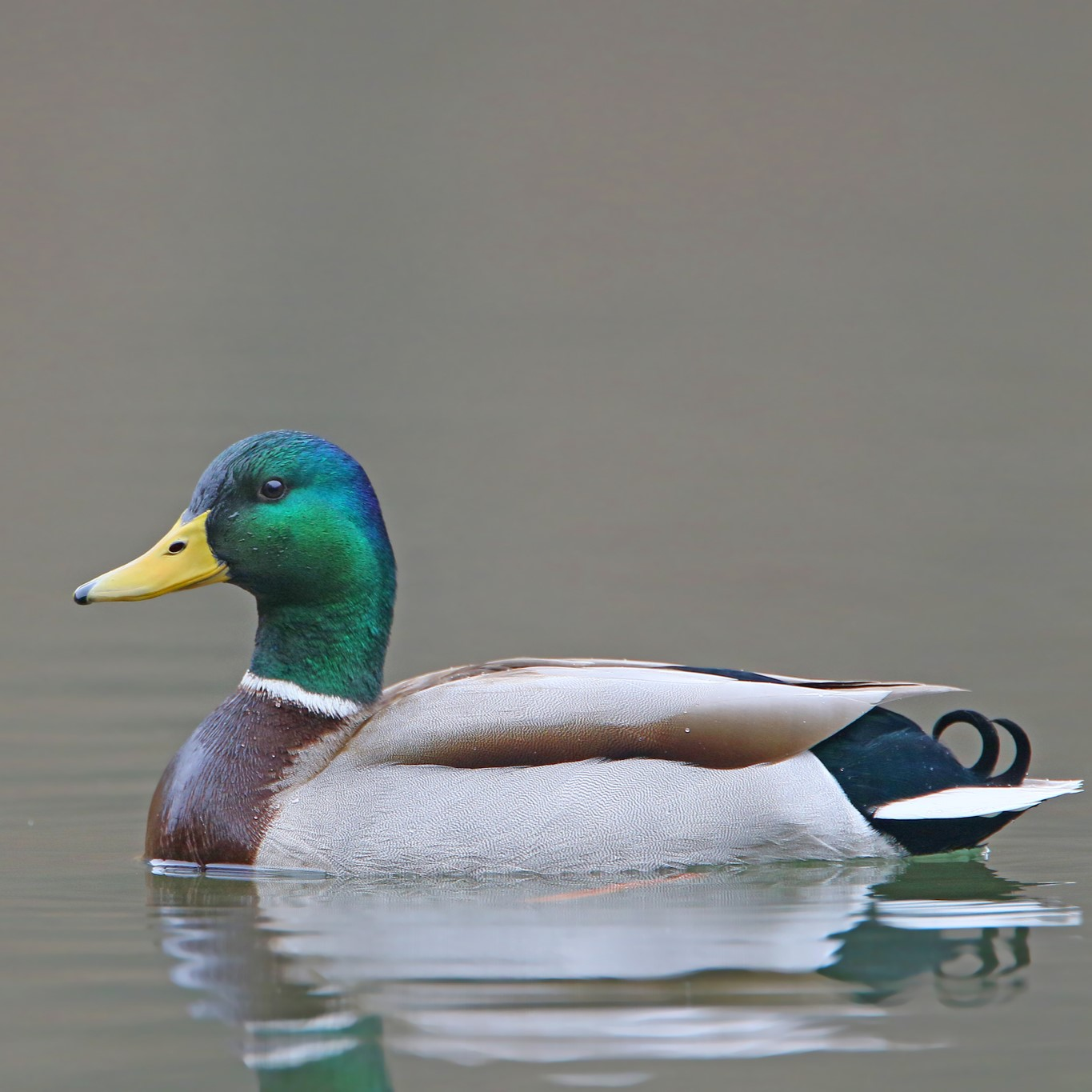
Finches are small, lively birds that are not only a delight to watch but also hold a special place in the world of science and nature. Known for their vibrant colors, cheerful songs, and incredible diversity, finches are found across the globe — from backyards to remote islands. Most famously, they played a key role in shaping Charles Darwin’s theory of evolution.


 ЁЯРд Quick Profile

  • Common Name: Finch

  • Scientific Family: Fringillidae (true finches)

  • Size: Small; typically 4–6 inches (10–15 cm)

  • Weight: 10–40 grams, depending on species

  • Lifespan: 4–10 years in the wild

  • Habitat: Forests, shrublands, grasslands, deserts, urban gardens

  • Diet: Seeds, berries, insects

  • Distribution: Found worldwide (except Australia and Antarctica)

ЁЯМИ Appearance and Behavior

Finches come in a variety of bright colors — red, yellow, green, brown, and black — often with striking patterns. Male finches are usually more colorful than females. Their stubby, cone-shaped beaks are perfectly adapted for cracking seeds, their primary food source.

These birds are:

  • Active and social

  • Excellent fliers and foragers

  • Known for their melodious chirps and songs

ЁЯРг Popular Types of Finches

  1. House Finch (Haemorhous mexicanus)

    • Red-headed males, brown-streaked females

    • Common in urban areas across North America

  2. Goldfinch (Spinus tristis)

    • Bright yellow with black wings

    • Popular backyard bird

  3. Zebra Finch (Taeniopygia guttata)

    • Native to Australia; known for zebra-like stripes

    • Common in aviculture (pet finches)

  4. Darwin’s Finches

    • A group of about 15 species found on the Gal├бpagos Islands

    • Famous for showing adaptive evolution through variations in beak size and shape

ЁЯФм Finches & Evolution: Darwin’s Discovery

In the 1830s, during his voyage on the HMS Beagle, Charles Darwin observed finches on the Gal├бpagos Islands. He noticed that each island had its own variety of finch, with different beak shapes adapted to different food sources. This led to a groundbreaking insight:

ЁЯзм One species can evolve into many through natural selection.

These birds became known as Darwin’s Finches, and they remain a classic example of evolution in action.

ЁЯПб Finches as Pets

Many finches are kept as pets due to their small size, low maintenance, and pleasant songs. Popular pet species include:

  • Zebra Finch

  • Society Finch

  • Gouldian Finch (colorful and striking)

Note: Finches are social and thrive better in pairs or small groups. They need spacious cages and regular mental stimulation.

ЁЯза Fun Facts

  • Finches can remember and mimic complex song patterns.

  • Some finches use tools — like cactus spines — to extract insects.

  • The Hawaiian Honeycreepers, once thought to be a separate group, are now classified as part of the finch family.

ЁЯМН Conservation

While many finch species are common, some (especially island-dwelling ones like Darwin’s Finches) are under threat from:

  • Habitat loss

  • Invasive species

  • Climate change

  • Disease (like avian pox and malaria)

Conservation efforts include habitat protection, breeding programs, and scientific research.

ЁЯУЭ Conclusion

Finches are more than just beautiful backyard birds — they are living symbols of nature’s adaptability and creativity. Whether you're a birder, a biology student, or just someone who enjoys nature, finches offer a fascinating window into the diversity of life on Earth. or educational use?

"This Content Sponsored by Buymote Shopping app

BuyMote E-Shopping Application is One of the Online Shopping App

Now Available on Play Store & App Store (Buymote E-Shopping)

Click Below Link and Install Application: https://buymote.shop/links/0f5993744a9213079a6b53e8

Sponsor Content: #buymote #buymoteeshopping #buymoteonline #buymoteshopping #buymoteapplication"
Thursday, 8 May 2025

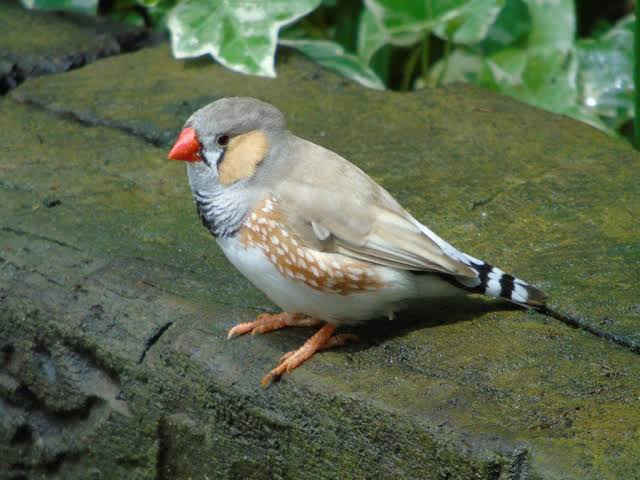
Robins are among the most familiar and beloved songbirds, often recognized for their cheerful tunes and charming behaviors. While the classic European Robin is known for its red breast, several species of robins, especially in Asia and Australia, display a beautiful brownish-olive coloration that blends harmoniously with their forest habitats.


ЁЯРж Robin with Brownish-Olive Plumage: A Subtle Beauty of the Forests

ЁЯФН Scientific Overview

  • Common Name: Varies by species (e.g., Indian Robin, Olive-backed Robin, Brown-breasted Flycatcher)

  • Order: Passeriformes

  • Family: Muscicapidae (Old World Flycatchers) or Petroicidae (Australasian robins)

  • Notable Species with Brownish-Olive Color:

    • Olive-backed Robin (Pachycephalopsis hattamensis) – Papua New Guinea

    • Brown-breasted Flycatcher (Muscicapa muttui) – India, Sri Lanka

    • White-browed Robin (Poecilodryas superciliosa) – Australia

ЁЯМН Habitat & Distribution

  • Found across:

    • South Asia (India, Nepal, Sri Lanka)

    • Southeast Asia (Thailand, Malaysia)

    • Australasia (Australia, Papua New Guinea)

  • Preferred habitats:

    • Dense forests

    • Scrublands

    • Rainforest undergrowth

    • Hilly terrain

ЁЯОи Appearance

While varying slightly among species, brownish-olive robins typically share:

  • Plumage:

    • Upperparts: Brownish-olive or greyish-olive tones

    • Underparts: Pale or buff-colored

    • Markings: Some have eye-rings, white throats, or wing bars

  • Size: Small to medium (12–17 cm length)

  • Bill: Fine and pointed, suited for catching insects

  • Eyes: Large and alert, often dark-colored

ЁЯза Behavior

  • Diet: Insectivorous – feeds on insects, spiders, and small invertebrates

  • Vocalization: Soft, sweet whistles or high-pitched chirps

  • Territorial: Males often sing to defend territories

  • Shy and well-camouflaged due to their earthy plumage

ЁЯк╣ Breeding

  • Nesting: Cup-shaped nests made of twigs, moss, and grass

  • Breeding Season: Spring to early summer (varies by location)

  • Clutch Size: 2–4 eggs

  • Parental Care: Both parents may be involved in feeding

ЁЯМ┐ Adaptations

  • Their brownish-olive plumage offers excellent camouflage in forested environments.

  • Some species are adapted to forage close to the ground, hopping between leaf litter.

  • Robins are known to be quick and agile, darting between branches or undergrowth when disturbed.

ЁЯЫб️ Conservation Status

  • Most brownish-olive robin species are categorized as Least Concern by the IUCN, but some populations are affected by:

    • Habitat loss

    • Deforestation

    • Urban encroachment

Protection of forest habitats is key to maintaining healthy populations.

ЁЯУ╕ Birdwatching Tips

  • When to spot: Early morning or late afternoon

  • Where to look: Near thick shrubs, forest edges, and low branches

  • Gear: Binoculars with good low-light capability; cameras with fast autofocus

  • Reminder: Avoid loud noise and sudden movement – these robins are shy and easily startled

ЁЯУЪ Fun Facts

  • Some olive or brown robins are part of flycatcher families, not true robins like the American Robin.

  • In Aboriginal Australian culture, some robin species are spiritually significant.

  • Despite their muted tones, these robins have some of the most melodious songs among woodland birds.

ЁЯФЪ Conclusion

While they may lack the flamboyance of their red-breasted cousins, brownish-olive robins offer a quiet elegance and are a vital part of forest ecosystems. Their subtle beauty, song, and elusive behavior make them a favorite among seasoned birdwatchers and nature photographers.


"This Content Sponsored by Buymote Shopping app

BuyMote E-Shopping Application is One of the Online Shopping App

Now Available on Play Store & App Store (Buymote E-Shopping)

Click Below Link and Install Application: https://buymote.shop/links/0f5993744a9213079a6b53e8

Sponsor Content: #buymote #buymoteeshopping #buymoteonline #buymoteshopping #buymoteapplication"

Thursday, 1 May 2025

Cockatoos are one of the most recognizable and intelligent members of the parrot family, known for their striking crests, expressive personalities, and strong bonds with humans. Native to Australia, Indonesia, and nearby Pacific islands, these birds are a vibrant part of tropical and subtropical ecosystems — and increasingly, of people's homes as beloved (but demanding!) pets.

ЁЯжЬ Cockatoos: The Intelligent and Charismatic Birds of the Parrot World


ЁЯМП Natural Habitat and Distribution

Cockatoos are primarily found in:

  • Australia (home to most species)

  • New Guinea

  • Indonesia

  • Parts of the Philippines and Solomon Islands

They inhabit woodlands, forests, scrublands, and sometimes even urban areas.

ЁЯза Intelligence and Behavior

Cockatoos are highly intelligent — often compared to toddlers in terms of problem-solving and emotional depth. They can:

  • Mimic human speech and sounds

  • Use tools

  • Solve puzzles

  • Show affection and jealousy

However, this intelligence also means they require lots of mental stimulation. Boredom can lead to feather plucking, screaming, and other behavioral issues.

ЁЯзм Common Species

There are around 21 species of cockatoos. Some well-known ones include:

  • Sulphur-crested Cockatoo: Bright white with a yellow crest; very social and noisy.

  • Major Mitchell’s Cockatoo (Pink Cockatoo): Soft pink and white feathers; known for beauty and shyness.

  • Umbrella Cockatoo: All white with a dramatic fan-like crest.

  • Galah (Rose-breasted Cockatoo): Pink and grey; very common and playful.

  • Black Cockatoos (like Red-tailed or Yellow-tailed): Larger, more reserved species with dark plumage and striking tail markings.

ЁЯПа As Pets: Beautiful but Challenging

While cockatoos can make loving and loyal pets, they are not for beginners. They require:

  • Daily interaction and socialization

  • Large cages and time outside the cage

  • Toys and foraging activities

  • A stable, committed human companion

They can live up to 60–80 years — meaning owning one is a lifelong commitment.

ЁЯЧг️ Communication Style

Cockatoos are very vocal:

  • They can scream loudly, especially at dawn or dusk.

  • Some learn simple words or phrases.

  • Their crests and body language communicate emotions — excitement, fear, anger, curiosity.

ЁЯМ┐ Diet and Health

In the wild, cockatoos eat:

  • Seeds

  • Nuts

  • Fruits

  • Vegetation

Pet cockatoos need a balanced diet of:

  • Pellets

  • Fresh vegetables

  • Some fruits and grains

  • Occasional treats like almonds

Avoid giving them avocado, chocolate, caffeine, or salty foods.

⚠️ Conservation and Threats

Some cockatoo species are endangered due to:

  • Illegal pet trade

  • Habitat destruction

  • Climate change

The Philippine Cockatoo and several black cockatoos are under critical threat. Conservation programs focus on habitat protection, breeding programs, and education.

ЁЯТм Fun Facts

  • A cockatoo once held the world record for longest-lived parrot at 83 years!

  • They use their strong beaks not just to crack nuts, but to climb and explore.

  • Cockatoos form lifelong bonds with their mates and are extremely affectionate.

ЁЯМЯ Conclusion

Cockatoos are more than just pretty birds — they’re emotionally complex, socially driven, and full of personality. Whether you're watching them in the wild or caring for one at home, cockatoos never fail to impress and inspire.

"This Content Sponsored by Buymote Shopping app

BuyMote E-Shopping Application is One of the Online Shopping App

Now Available on Play Store & App Store (Buymote E-Shopping)

Click Below Link and Install Application: https://buymote.shop/links/0f5993744a9213079a6b53e8

Sponsor Content: #buymote #buymoteeshopping #buymoteonline #buymoteshopping #buymoteapplication"