Sunday, 25 May 2025

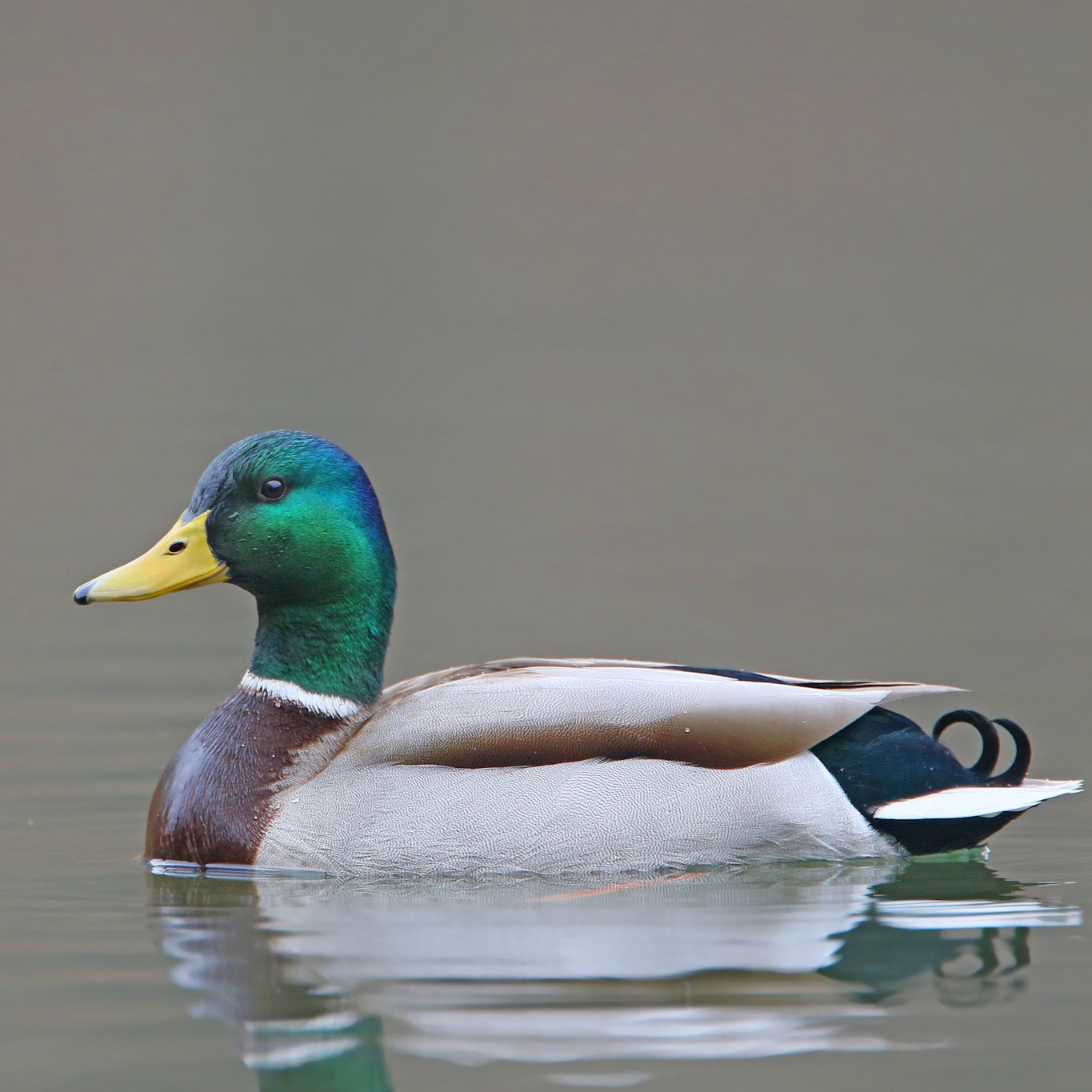
மல்லார்ட் (Mallard) என்பது ஒரு பரவலாக காணப்படும் வாத்து இனமாகும். இது விஞ்ஞான பெயரான Anas platyrhynchos என்பதால் அழைக்கப்படுகிறது. உலகம் முழுவதும் காணப்படும் வனவாத்துக்கள் (wild ducks) இல் மிகவும் பரவலாகக் காணப்படும் இனம் இது.


மல்லார்ட் பற்றிய முழுமையான விவரங்கள் (தமிழில்):

🔹 பெயர்:

  • தமிழில்: மல்லார்ட் வாத்து

  • ஆங்கிலத்தில்: Mallard

  • விஞ்ஞானப் பெயர்: Anas platyrhynchos

🔹 வகை:

  • பறவைகள் வகையில் சேரும்.

  • Anatidae குடும்பத்தைச் சேர்ந்தது.

📏 உடலமைப்பு:

விஷயம் விவரம்
உயரம் 50 – 65 செ.மீ.
இறக்கையின் நீளம் சுமார் 80 – 95 செ.மீ.
எடை 0.7 – 1.6 கிலோ
  • ♂ ஆண் வாத்து: பச்சை நிறத் தலை, வெள்ளை கழுத்துப் பட்டை, நீலச் சிறகு.

  • ♀ பெண் வாத்து: பழுப்பு கலந்த கலர், உடல் முழுவதும் மறைவு தன்மை கொண்ட புள்ளிகள்.

🌍 விருப்பமான வாழிடம்:

  • நீர்நிலைகள் (ஏரிகள், நதிகள், சுனைகள்)

  • விவசாய நிலங்கள் அருகிலுள்ள நீர்நிலைகள்

  • குளங்கள், தேக்கங்கள்

  • நகரப்புற பூங்காக்கள் மற்றும் நீர்த்தேக்க குளங்கள்

🍽️ உணவுகள்:

  • நீரில் வளரக்கூடிய தாவரங்கள், புல், விதைகள்

  • பூச்சிகள், கிளவிகள், சிறிய மீன்கள்

  • பல சமயங்களில் மனிதர்கள் கொடுக்கும் உணவையும் உண்ணும் (பொங்கல் அரிசி, ரொட்டி போன்றவை – ஆனால் இது சுகாதாரத்திற்கு பாதிப்பு தரலாம்)

🐣 வளம் மற்றும் இனப்பெருக்கம்:

  • பெண் மல்லார்ட் 8–13 முட்டைகள் இடும்.

  • 26–28 நாட்களில் குஞ்சுகள் வெளிவரும்.

  • பெண் மட்டுமே முட்டைகளுக்கு காத்திருக்கிறது.

  • பிறந்தவுடன் குஞ்சுகள் தாயுடன் நீரில் நீந்தத் தொடங்கும்.

✈️ குடிபெயர்ச்சி (Migration):

  • சில மல்லார்ட்கள் பனிக்காலத்தில் வெப்பமண்டல நாடுகளுக்கு இடம்பெயர்கின்றன.

  • இந்தியாவில் குளிர் பருவத்தின்போது (அக்டோபர்–பிப்ரவரி) வெளிநாடுகளில் இருந்து வரும்.

🌿 மற்ற சிறப்பம்சங்கள்:

  • “Quack” எனும் தனிச்சத்தம் உண்டு, முக்கியமாக பெண் மல்லார்ட்களிடம்.

  • பறக்கவும், நீந்தவும் மிகவும் திறமை வாய்ந்தவை.

  • மனித சமூகங்களுக்கு மத்தியில் நன்றாக ஏற்றுக்கொள்ளப்படும் வாத்து இனங்களில் ஒன்று.

🔒 பாதுகாப்பு நிலை (IUCN):

  • Least Concern — மிகுந்த ஆபத்திலில்லை.

🏞️ தமிழகத்தில் காணப்படும் இடங்கள்:

  • வேதாந்தங்கல் பறவிக் காப்பகம்

  • புலிக்காட்டு குளம்

  • நந்திகொண்டன் குளங்கள்

  • காவிரி ஆற்றங்கரை

இந்த மல்லார்ட் பறவை குழந்தைகளுக்கான பறவிக் கல்வி, விவசாய நீர்நிலைகள் பாதுகாப்பு, மற்றும் சுற்றுச்சூழல் சமநிலைக்காக மிகவும் முக்கியமானது.

வீட்டுப் பறவையாகவும் சிலர் வளர்த்தாலும், இது இயற்கை சூழலில்தான் சிறப்பாக வாழ்கிறது.

இதை நீங்கள் வலைப்பதிவாக எழுத விரும்பினால், புகைப்படம், சின்ன தகவல் அட்டவணை, குழந்தைகளுக்கான சுவாரசிய தகவல்களுடன் சேர்த்து கொடுக்கலாம். தயாரா?


"This Content Sponsored by Buymote Shopping app

BuyMote E-Shopping Application is One of the Online Shopping App

Now Available on Play Store & App Store (Buymote E-Shopping)

Click Below Link and Install Application: https://buymote.shop/links/0f5993744a9213079a6b53e8

Sponsor Content: #buymote #buymoteeshopping #buymoteonline #buymoteshopping #buymoteapplication"


Saturday, 17 May 2025

Finches are small, lively birds that are not only a delight to watch but also hold a special place in the world of science and nature. Known for their vibrant colors, cheerful songs, and incredible diversity, finches are found across the globe — from backyards to remote islands. Most famously, they played a key role in shaping Charles Darwin’s theory of evolution.


 🐤 Quick Profile

  • Common Name: Finch

  • Scientific Family: Fringillidae (true finches)

  • Size: Small; typically 4–6 inches (10–15 cm)

  • Weight: 10–40 grams, depending on species

  • Lifespan: 4–10 years in the wild

  • Habitat: Forests, shrublands, grasslands, deserts, urban gardens

  • Diet: Seeds, berries, insects

  • Distribution: Found worldwide (except Australia and Antarctica)

🌈 Appearance and Behavior

Finches come in a variety of bright colors — red, yellow, green, brown, and black — often with striking patterns. Male finches are usually more colorful than females. Their stubby, cone-shaped beaks are perfectly adapted for cracking seeds, their primary food source.

These birds are:

  • Active and social

  • Excellent fliers and foragers

  • Known for their melodious chirps and songs

🐣 Popular Types of Finches

  1. House Finch (Haemorhous mexicanus)

    • Red-headed males, brown-streaked females

    • Common in urban areas across North America

  2. Goldfinch (Spinus tristis)

    • Bright yellow with black wings

    • Popular backyard bird

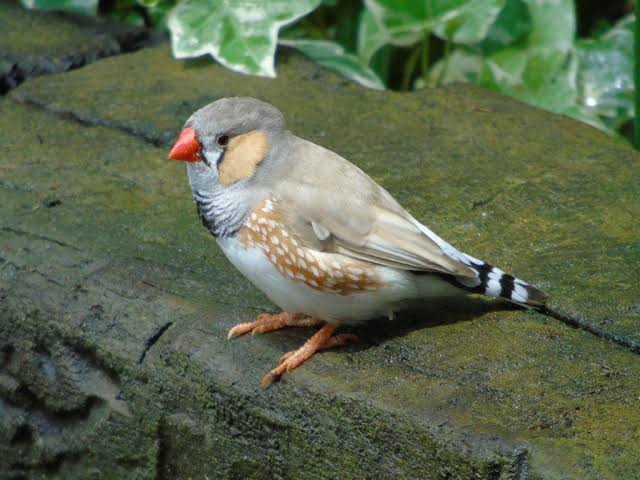
  3. Zebra Finch (Taeniopygia guttata)

    • Native to Australia; known for zebra-like stripes

    • Common in aviculture (pet finches)

  4. Darwin’s Finches

    • A group of about 15 species found on the Galápagos Islands

    • Famous for showing adaptive evolution through variations in beak size and shape

🔬 Finches & Evolution: Darwin’s Discovery

In the 1830s, during his voyage on the HMS Beagle, Charles Darwin observed finches on the Galápagos Islands. He noticed that each island had its own variety of finch, with different beak shapes adapted to different food sources. This led to a groundbreaking insight:

🧬 One species can evolve into many through natural selection.

These birds became known as Darwin’s Finches, and they remain a classic example of evolution in action.

🏡 Finches as Pets

Many finches are kept as pets due to their small size, low maintenance, and pleasant songs. Popular pet species include:

  • Zebra Finch

  • Society Finch

  • Gouldian Finch (colorful and striking)

Note: Finches are social and thrive better in pairs or small groups. They need spacious cages and regular mental stimulation.

🧠 Fun Facts

  • Finches can remember and mimic complex song patterns.

  • Some finches use tools — like cactus spines — to extract insects.

  • The Hawaiian Honeycreepers, once thought to be a separate group, are now classified as part of the finch family.

🌍 Conservation

While many finch species are common, some (especially island-dwelling ones like Darwin’s Finches) are under threat from:

  • Habitat loss

  • Invasive species

  • Climate change

  • Disease (like avian pox and malaria)

Conservation efforts include habitat protection, breeding programs, and scientific research.

📝 Conclusion

Finches are more than just beautiful backyard birds — they are living symbols of nature’s adaptability and creativity. Whether you're a birder, a biology student, or just someone who enjoys nature, finches offer a fascinating window into the diversity of life on Earth. or educational use?

"This Content Sponsored by Buymote Shopping app

BuyMote E-Shopping Application is One of the Online Shopping App

Now Available on Play Store & App Store (Buymote E-Shopping)

Click Below Link and Install Application: https://buymote.shop/links/0f5993744a9213079a6b53e8

Sponsor Content: #buymote #buymoteeshopping #buymoteonline #buymoteshopping #buymoteapplication"
Thursday, 8 May 2025

Robins are among the most familiar and beloved songbirds, often recognized for their cheerful tunes and charming behaviors. While the classic European Robin is known for its red breast, several species of robins, especially in Asia and Australia, display a beautiful brownish-olive coloration that blends harmoniously with their forest habitats.


🐦 Robin with Brownish-Olive Plumage: A Subtle Beauty of the Forests

🔍 Scientific Overview

  • Common Name: Varies by species (e.g., Indian Robin, Olive-backed Robin, Brown-breasted Flycatcher)

  • Order: Passeriformes

  • Family: Muscicapidae (Old World Flycatchers) or Petroicidae (Australasian robins)

  • Notable Species with Brownish-Olive Color:

    • Olive-backed Robin (Pachycephalopsis hattamensis) – Papua New Guinea

    • Brown-breasted Flycatcher (Muscicapa muttui) – India, Sri Lanka

    • White-browed Robin (Poecilodryas superciliosa) – Australia

🌍 Habitat & Distribution

  • Found across:

    • South Asia (India, Nepal, Sri Lanka)

    • Southeast Asia (Thailand, Malaysia)

    • Australasia (Australia, Papua New Guinea)

  • Preferred habitats:

    • Dense forests

    • Scrublands

    • Rainforest undergrowth

    • Hilly terrain

🎨 Appearance

While varying slightly among species, brownish-olive robins typically share:

  • Plumage:

    • Upperparts: Brownish-olive or greyish-olive tones

    • Underparts: Pale or buff-colored

    • Markings: Some have eye-rings, white throats, or wing bars

  • Size: Small to medium (12–17 cm length)

  • Bill: Fine and pointed, suited for catching insects

  • Eyes: Large and alert, often dark-colored

🧠 Behavior

  • Diet: Insectivorous – feeds on insects, spiders, and small invertebrates

  • Vocalization: Soft, sweet whistles or high-pitched chirps

  • Territorial: Males often sing to defend territories

  • Shy and well-camouflaged due to their earthy plumage

🪹 Breeding

  • Nesting: Cup-shaped nests made of twigs, moss, and grass

  • Breeding Season: Spring to early summer (varies by location)

  • Clutch Size: 2–4 eggs

  • Parental Care: Both parents may be involved in feeding

🌿 Adaptations

  • Their brownish-olive plumage offers excellent camouflage in forested environments.

  • Some species are adapted to forage close to the ground, hopping between leaf litter.

  • Robins are known to be quick and agile, darting between branches or undergrowth when disturbed.

🛡️ Conservation Status

  • Most brownish-olive robin species are categorized as Least Concern by the IUCN, but some populations are affected by:

    • Habitat loss

    • Deforestation

    • Urban encroachment

Protection of forest habitats is key to maintaining healthy populations.

📸 Birdwatching Tips

  • When to spot: Early morning or late afternoon

  • Where to look: Near thick shrubs, forest edges, and low branches

  • Gear: Binoculars with good low-light capability; cameras with fast autofocus

  • Reminder: Avoid loud noise and sudden movement – these robins are shy and easily startled

📚 Fun Facts

  • Some olive or brown robins are part of flycatcher families, not true robins like the American Robin.

  • In Aboriginal Australian culture, some robin species are spiritually significant.

  • Despite their muted tones, these robins have some of the most melodious songs among woodland birds.

🔚 Conclusion

While they may lack the flamboyance of their red-breasted cousins, brownish-olive robins offer a quiet elegance and are a vital part of forest ecosystems. Their subtle beauty, song, and elusive behavior make them a favorite among seasoned birdwatchers and nature photographers.


"This Content Sponsored by Buymote Shopping app

BuyMote E-Shopping Application is One of the Online Shopping App

Now Available on Play Store & App Store (Buymote E-Shopping)

Click Below Link and Install Application: https://buymote.shop/links/0f5993744a9213079a6b53e8

Sponsor Content: #buymote #buymoteeshopping #buymoteonline #buymoteshopping #buymoteapplication"

Thursday, 1 May 2025

Cockatoos are one of the most recognizable and intelligent members of the parrot family, known for their striking crests, expressive personalities, and strong bonds with humans. Native to Australia, Indonesia, and nearby Pacific islands, these birds are a vibrant part of tropical and subtropical ecosystems — and increasingly, of people's homes as beloved (but demanding!) pets.

🦜 Cockatoos: The Intelligent and Charismatic Birds of the Parrot World


🌏 Natural Habitat and Distribution

Cockatoos are primarily found in:

  • Australia (home to most species)

  • New Guinea

  • Indonesia

  • Parts of the Philippines and Solomon Islands

They inhabit woodlands, forests, scrublands, and sometimes even urban areas.

🧠 Intelligence and Behavior

Cockatoos are highly intelligent — often compared to toddlers in terms of problem-solving and emotional depth. They can:

  • Mimic human speech and sounds

  • Use tools

  • Solve puzzles

  • Show affection and jealousy

However, this intelligence also means they require lots of mental stimulation. Boredom can lead to feather plucking, screaming, and other behavioral issues.

🧬 Common Species

There are around 21 species of cockatoos. Some well-known ones include:

  • Sulphur-crested Cockatoo: Bright white with a yellow crest; very social and noisy.

  • Major Mitchell’s Cockatoo (Pink Cockatoo): Soft pink and white feathers; known for beauty and shyness.

  • Umbrella Cockatoo: All white with a dramatic fan-like crest.

  • Galah (Rose-breasted Cockatoo): Pink and grey; very common and playful.

  • Black Cockatoos (like Red-tailed or Yellow-tailed): Larger, more reserved species with dark plumage and striking tail markings.

🏠 As Pets: Beautiful but Challenging

While cockatoos can make loving and loyal pets, they are not for beginners. They require:

  • Daily interaction and socialization

  • Large cages and time outside the cage

  • Toys and foraging activities

  • A stable, committed human companion

They can live up to 60–80 years — meaning owning one is a lifelong commitment.

🗣️ Communication Style

Cockatoos are very vocal:

  • They can scream loudly, especially at dawn or dusk.

  • Some learn simple words or phrases.

  • Their crests and body language communicate emotions — excitement, fear, anger, curiosity.

🌿 Diet and Health

In the wild, cockatoos eat:

  • Seeds

  • Nuts

  • Fruits

  • Vegetation

Pet cockatoos need a balanced diet of:

  • Pellets

  • Fresh vegetables

  • Some fruits and grains

  • Occasional treats like almonds

Avoid giving them avocado, chocolate, caffeine, or salty foods.

⚠️ Conservation and Threats

Some cockatoo species are endangered due to:

  • Illegal pet trade

  • Habitat destruction

  • Climate change

The Philippine Cockatoo and several black cockatoos are under critical threat. Conservation programs focus on habitat protection, breeding programs, and education.

💬 Fun Facts

  • A cockatoo once held the world record for longest-lived parrot at 83 years!

  • They use their strong beaks not just to crack nuts, but to climb and explore.

  • Cockatoos form lifelong bonds with their mates and are extremely affectionate.

🌟 Conclusion

Cockatoos are more than just pretty birds — they’re emotionally complex, socially driven, and full of personality. Whether you're watching them in the wild or caring for one at home, cockatoos never fail to impress and inspire.

"This Content Sponsored by Buymote Shopping app

BuyMote E-Shopping Application is One of the Online Shopping App

Now Available on Play Store & App Store (Buymote E-Shopping)

Click Below Link and Install Application: https://buymote.shop/links/0f5993744a9213079a6b53e8

Sponsor Content: #buymote #buymoteeshopping #buymoteonline #buymoteshopping #buymoteapplication"


Sunday, 27 April 2025

Penguins are a group of flightless birds that live almost exclusively in the Southern Hemisphere, especially in Antarctica. They are known for their distinctive black-and-white coloring and their upright, waddling gait.


🐧 Penguins – Complete Details

📚 Introduction


🧬 Scientific Classification

  • Kingdom: Animalia

  • Phylum: Chordata

  • Class: Aves

  • Order: Sphenisciformes

  • Family: Spheniscidae

🌎 Habitat

  • Mostly found in Antarctica, but some species live in temperate zones (South Africa, Australia, New Zealand, South America) and even near the equator (Galápagos Penguins).

  • Live in coastal regions and spend much time in the ocean hunting.

🛡️ Physical Characteristics

  • Size: From the tiny Little Blue Penguin (about 30 cm / 12 in tall) to the Emperor Penguin (up to 1.2 meters / 4 ft tall).

  • Coloration: Black on the back and white on the belly — a camouflage adaptation known as counter-shading.

  • Wings: Modified into flippers for swimming rather than flying.

  • Bones: Solid and dense, which helps them dive.

  • Feathers: Thick and waterproof, with an insulating layer underneath to keep warm.


🍽️ Diet

  • Carnivorous: Primarily eat fish, squid, and krill.

  • Use their excellent vision underwater to catch prey.

  • Some species dive hundreds of meters deep for food.

🐣 Reproduction

  • Most species are monogamous (at least for a season).

  • Penguins usually breed in large colonies.

  • They lay one or two eggs.

  • Both parents often share incubation duties and feeding the chick.

Example:

  • Emperor Penguins: Males incubate the egg on their feet under a flap of skin called a brood pouch through the brutal Antarctic winter.

🚶‍♂️ Behavior

  • Excellent swimmers — can swim up to 22 km/h (14 mph).

  • Awkward on land but very graceful in water.

  • Known for waddling, tobogganing (sliding on their bellies over ice), and huddling together for warmth.

🧠 Intelligence

  • Penguins are highly social and have complex vocalizations.

  • They can recognize their mates and chicks by their unique calls.

🌟 Fun Facts

  • The fastest penguin: Gentoo Penguin (swims up to 36 km/h / 22 mph).

  • Penguins can hold their breath for up to 20 minutes underwater.

  • Not all penguins live in cold climates — species like the African Penguin prefer warmer areas.

⚠️ Threats

  • Climate change (melting ice, warming oceans).

  • Overfishing (depletes their food supply).

  • Pollution (especially oil spills).

  • Predators: In the water — seals, orcas; on land — birds like skuas (that prey on eggs).

🌍 Famous Penguin Species

Common Name Scientific Name Key Features
Emperor Penguin Aptenodytes forsteri Largest species, Antarctic native
King Penguin Aptenodytes patagonicus Bright orange patches on head/neck
Adélie Penguin Pygoscelis adeliae Classic "tuxedo" appearance
Gentoo Penguin Pygoscelis papua White stripe across the head
Little Blue Penguin Eudyptula minor Smallest species, bluish feathers
Galápagos Penguin Spheniscus mendiculus Only penguin found north of the equator

Would you also like a cute illustrated chart or infographic about penguins? 🐧✨
(Just say yes if you want one!)

"This Content Sponsored by Buymote Shopping app

BuyMote E-Shopping Application is One of the Online Shopping App

Now Available on Play Store & App Store (Buymote E-Shopping)

Click Below Link and Install Application: https://buymote.shop/links/0f5993744a9213079a6b53e8

Sponsor Content: #buymote #buymoteeshopping #buymoteonline #buymoteshopping #buymoteapplication"


Sunday, 20 April 2025

MY FEEDBACK


SBO is online money earning platform


#SBO #SBOTVM #SBOGROUP #BUYMOTE #EDUQUEST #SBOFAKE #SBOSCAM #SBOFRAUD #SBOCHEATING #SBODIGITALMARKETING

Buymote:https://play.google.com/store/apps/details?id=com.Buymote.buymas&pcampaignid=web_share

Eduquest :https://eduquest.courses/

Toucans are some of the most iconic and eye-catching birds in the world, known for their huge, colorful bills and tropical charm. Here's a fun and informative look at these beauties:


🐦 Toucan Overview

  • Scientific Family: Ramphastidae

  • Habitat: Central and South America — especially in tropical rainforests

  • Species Count: Around 40 different species, including:

    • Keel-billed Toucan

    • Toco Toucan (largest and most well-known)

    • Channel-billed Toucan

    • Aracaris and Toucanets (smaller relatives)

🌈 Bill (Beak) Facts

  • Size: Can be up to half the bird’s body length!

  • Use: Not just for show — toucans use their beaks to:

    • Reach fruit on distant branches

    • Intimidate rivals

    • Attract mates

    • Regulate body temperature (they act like a radiator!)

  • Made of keratin, it’s surprisingly light despite its size.

🏞️ Habitat & Behavior

  • Diet: Mostly fruit, but they also eat insects, small lizards, eggs, and even nestlings.

  • Lifestyle:

    • Live high in the forest canopy

    • Sleep in tree holes

    • Use their tail to balance when perched upright

  • Social birds — often found in small flocks.

🐣 Breeding

  • Toucans nest in tree cavities, often in holes made by woodpeckers.

  • Both parents share duties in incubating eggs and feeding chicks.

  • Chicks hatch blind and featherless, and develop their iconic beaks as they grow.

❗ Conservation Status

  • Many toucan species are stable, but habitat destruction and pet trade pose threats to some, especially in heavily deforested regions.

  • Protected in many reserves, and some species are CITES-listed.

🖼️ Just for fun...

Would you like to see some pictures of different toucan species or learn how to draw one? Or maybe you want info on keeping toucan art, toys, or even their symbolism? Let me know!


"This Content Sponsored by Buymote Shopping app

BuyMote E-Shopping Application is One of the Online Shopping App

Now Available on Play Store & App Store (Buymote E-Shopping)

Click Below Link and Install Application: https://buymote.shop/links/0f5993744a9213079a6b53e8

Sponsor Content: #buymote #buymoteeshopping #buymoteonline #buymoteshopping #buymoteapplication"